
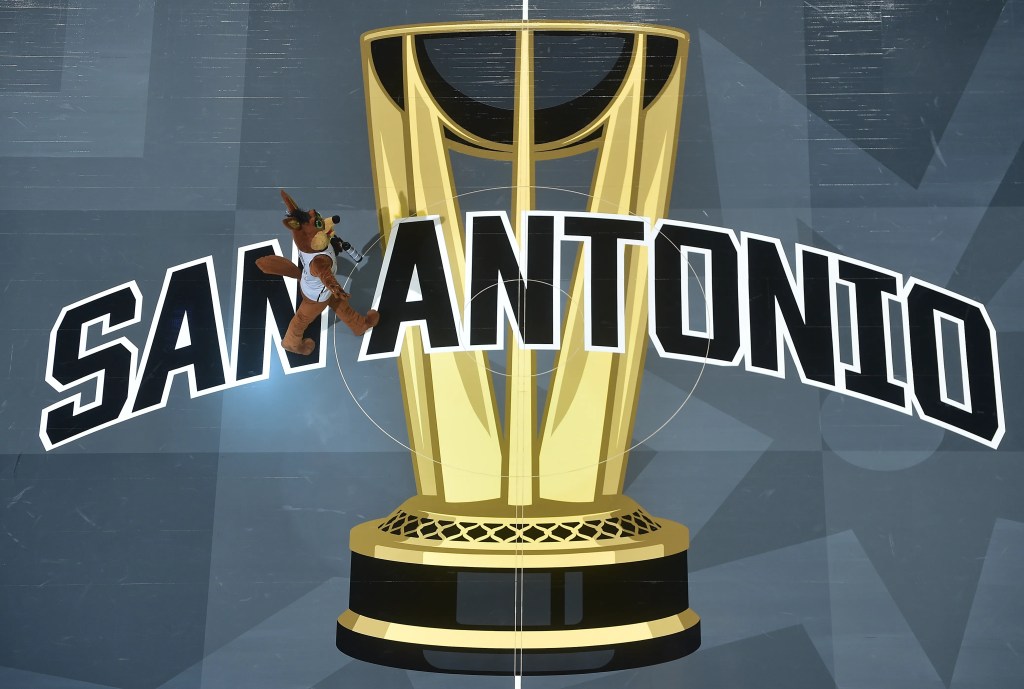
When people see NBA courts go from basic hardwood to vibrant, colorful flooring, they know it is NBA Cup night. However, the courts aren’t the only thing that separates these nights from the rest; it’s the atmosphere; it’s the stakes. It’s the fact that players have something to fight for early in the season, and fans have something exhilarating to watch, too.
With the impressive viewership and newfound passion from so many players, it seems the NBA is presenting itself in a way it hasn’t in years. And there is no doubt that the NBA Cup is contributing to that comeback.
I: The Increased Competition
The one team that wins the NBA Cup doesn’t just take home bragging rights; they also get about $500,000 for the road. And runner-ups, semifinalists, and quarterfinalists still get tens of thousands of dollars, too. It is no surprise that this kind of money could serve as a major incentive for players to win, even if they earn multi-million-dollar salaries. But what’s interesting is how money serves as a motivator in different ways.
After the Los Angeles Lakers won the first NBA Cup (previously referred to as the “In-Season Tournament), MVP Lebron James said he put all of his effort and energy into the tournament because of “my youngin’s over here, my rookies, my second year guys; some of them haven’t experienced playoff basketball [and] some of their paychecks are not as equipped as some of the older guys on our team… and then some of our fans during the December and January months, they start to stall out a little bit so I felt like it’s my obligation and it’s my responsibility to keep everybody engaged, including my teammates including our fans for our beautiful sport[.] So that’s why I was locked in from day one.”
For so many leaders in the NBA, the money serves as a motivator because of the compassion they have for their lower-paid teammates. However, for some players, their newfound motivation to win NBA Cup games isn’t about the money.
For Victor Wembanyama, the new atmosphere with increased competition and playing against the best teams in the league was more of a motivation for him than the money. This type of competition that the NBA cup brings, which causes players to showcase a new kind of grit in their play, is not something you get unless you appear in the playoffs. And unlike in the playoffs, games in the quarterfinals and beyond are sudden-death. He sees the stakes, and he knows it.
After the San Antonio Spurs defeated the then 24-1 Oklahoma City Thunder, Wembanyama said, “This is not a typical regular-season game. We knew if that if we lose, we’re out. And you know, some people are built for these moments. Some aren’t. But we definitely are.”
II: Increased Viewership
The intense play that emerges with the NBA Cup brings an exciting style of basketball that isn’t typically seen in the first months of the NBA season— a style fans have been waiting to see.
After the 2024 NBA All-Star game ended in a score of 221- 186, it was apparent that viewers wanted to see competition when they turned on their TVs. While criticism was mainly on the NBA All-Star game, it also caused viewers to reveal their opinions on the league itself.
People wanted to tune out, and the numbers were showing it. In the 2024-2025 season, viewership decreased by 2% from the previous season, making it the lowest since the 2020-2021 season.
Then something changed.
At the beginning of the season, the NBA expanded its audience with broadcasts on NBC and streaming platforms like Peacock and Prime Video. They also increased more mobile ways for fans to reach the game, and with the new Emirates partnership, the league expanded its presence worldwide. These changes not only allowed the game to reach more people but also presented new broadcasting platforms that covered the game in a way fans wanted to see. These changes paid off.
In the first couple of weeks of the 2025-2026 season, viewership increased by 92% (compared to the first couple of weeks of the previous year).
But what does this have to do with the NBA Cup?
With most NBA Cup play being broadcast on NBC, Peacock, and Prime Video, the NBA garnered 40 million viewers watching the tournament. This was a 90% increase from the previous year (about 1.33 million) and is the most in the three years the tournament has existed.
In other words, more and more people are watching the NBA because the league has finally given them greater access to unbelievable plays and fresh broadcast teams. The NBA has finally put the fans at the forefront of its league.
III: Captivating And Adapting
From both the fan and league perspectives, the NBA Cup is positively impacting the league by broadening its scope. When fans turn on their TVs in late November and early December, they are guaranteed games that provide a similar, thrilling feeling that they experience in April and May. While it is, of course, not the same as the NBA Playoffs, it creates a buzzing, captivating atmosphere where fans and players can experience the thrill of winning something big.
And many more fans can experience NBA basketball in a way they never have before. The league is shifting. In that way, the NBA Cup is a representation of the league’s adaptation to the sports world and to spectators’ lives. That adaptation is the one thing that will allow it to continue improving the league and keeping it alive.
That is what the NBA Cup can do.

 My Little Musings...